SERIES B LAB · CATEGORYLeader · B2B SAAS & AI FOUNDERS · $10M–$25M ARR

From contender to category leader

At $10M–$25M ARR, the challenge isn't growth — it's knowing exactly where you're winning, which market to enter next, how to price it, what the product needs to do, and how to keep NRR compounding while you expand. The Series B Lab is a 12-week operating sprint to answer all five questions with data, build the international launch playbook, and arrive at Series C with proof — not projections.

Application only. From $2,997 per startup or 3 installments of $999. No equity taken.

12 weeks
6-8 founders per cohort
$10M–$25M ARR
demo day
image of people working in an office setting (for an ai saas company)
THE OPERATORS IN YOUR corner HAVE BUILT AT

WHO THIS IS FOR

You're in the fight. Now win the category.

This Lab is for B2B SaaS and AI founders between $10M and $25M ARR who have a working GTM motion in market one — but haven't yet answered the five questions that determine whether you scale efficiently or expensively. You have ARR. You have a team. You have a board asking harder questions about cohort performance, CAC payback by segment, NRR trajectory, and which international market to enter first. This is the sprint where you answer those questions with real data — and build the operating system to execute on the answers.

#1 PERFORMANCE QUESTION

"We're growing but I'm not sure where we're actually winning."

Your ARR looks strong in the aggregate. But when you slice it by cohort, by segment, by acquisition channel — you're not certain which bets are genuinely working and which are just adding noise. CAC payback varies by channel and you haven't documented why. NRR by segment tells three different stories and you haven't decided which one to optimise for.**

[background image] image of a writing desk with a laptop (for an insurance agency & company)

#2: THE MARKET QUESTION

"International expansion is on the roadmap. I don't know which market to enter first — or how to test it before committing headcount."

You've had inbound from three markets. Your board wants a plan. But a country manager hire is a $300K decision and a 12-month commitment before you see signal. You need a way to score the markets, test conversion before you build, and have a documented go/no-go framework — not a gut call.**

image of logistics planning session

#3: THE PRODUCT QUESTION

"Sales is telling us one thing, customer success is telling us another, and product is prioritising a third."

Your win/loss data lives in scattered Gong calls, Salesforce notes, and one spreadsheet someone built 18 months ago. You're making roadmap decisions on instinct rather than structured data on why you win, why you lose, where activation stalls, and what the next international market actually needs from the product.**

image of individuals using real estate tech

#4: THE PRICING QUESTION

"Our pricing was designed for our first market. I'm not confident it travels."

You've never formally tested willingness-to-pay by segment or by market. You have one pricing page that was built for your original ICP. As you expand into enterprise or international markets, you're guessing whether your packaging holds — and whether you're leaving expansion revenue on the table in your existing base.

image of a brainstorming session (for a consulting firm)

#5: THE RETENTION QUESTION

"NRR is okay. But churn is hiding behind new logo growth and I know it."

Your gross revenue churn is tolerable because new ARR is strong. But when you look at cohorts — the 2022 cohort, the 2023 cohort — NRR is declining. Expansion isn't systematic. Upsell is founder-driven. CS doesn't have a documented playbook for the moments that predict churn 60 days out. And you're about to open a second market while the first one is leaking.**

image of recruitment process for a consulting firm

Note: That's Series B stage. Every one of those questions has a structured answer. This Lab builds them.

Not a fit if:

not for you

You're under $10M ARR or still building the initial GTM motion.

If the primary challenge is building a repeatable sales motion, fixing CAC, or getting to control on your unit economics — the Series A Lab is the right starting point. Come back when the machine is running.

not for you

You want frameworks to hand to your team, not work to do yourself.

Every sprint requires you to produce and present real outputs — your actual cohort data, your actual win/loss analysis, your actual pricing assumptions. If you're not ready to put your real numbers on the table with a room full of operators, this isn't the right format yet.

not for you

You've already locked the international expansion decision and you're past the point of testing.

The Lab's market selection process requires you to be in a position to test before committing. If you already have a country manager in seat and you're six months into market two, the CEO Operating Room is the right level of engagement — not a 12-week sprint from first principles.

THE SEries B TRAP

Scaling the wrong things faster is the most expensive mistake at this stage.

Most Series B companies aren't failing because they lack ambition. They're scaling decisions that were never validated — and compounding errors that were invisible at $5M ARR but brutal at $20M.

image of game development process (for a mobile gaming) - collaborative team meeting
PROBLEM #1

You're adding headcount to channels that look like they're working — but you've never measured CAC payback by segment.

Aggregate ARR growth hides a lot. When you slice CAC payback by acquisition channel, by customer segment, by sales rep cohort — the economics look different. Some channels are funding the company. Others are destroying capital and you're staffing them up anyway. Without a clean performance baseline by cohort, you're scaling a blended average — which means you're over-investing in underperformers and under-investing in your actual winners.

[interface] image of customizable settings dashboard (for a ai fintech company)
PROBLEM #2

You're planning an international expansion without testing the market first — and the first bad hire will cost you 18 months.

The classic Series B mistake: pick a market based on inbound signal and a board preference, hire a country manager, give them 12 months, and discover that your ICP doesn't translate, your pricing doesn't hold, and your product has three gaps you didn't know about. A $300K hire-and-hope is not a market entry strategy. The right approach is to score the market, run paid ad tests to measure conversion before committing headcount, map the competitive landscape and the allies, and build a Tier 1/2/3 launch architecture that sequences spend and hiring to signal — not to hope.

[background image] image of a desk with tech gadgets (for a ai developer tools)
PROBLEM #3

NRR looks fine in aggregate — but cohort-level churn is building underneath new logo growth and you won't see it until it's too late.

Gross churn of 8% is invisible when new ARR is growing 80% year-over-year. Then growth slows, new logos get harder to close, and suddenly the cohort-level data tells a different story. The NRR and retention engine needs to be built now — churn prediction triggers, expansion playbook by segment, CS motions timed to contract renewal windows — while the new logo machine is still strong enough to absorb the work. Not after the board starts asking why NRR is declining.

Note: The Lab closes all three traps in 12 weeks — with your actual data, with operators who've lived each one, and with AI tools to accelerate the research, testing, and instrumentation.
THE 12-WEEK ARC

Every week, one lever. Twelve weeks, a company that owns the category.

This is not a curriculum. It's an operating sprint. Every week you produce a real output on your actual business — your actual cohort data, your actual win/loss analysis, your actual market scoring, your actual pricing assumptions. The sprint runs in two parallel tracks from Week 1: fixing and compounding what's working at home while building the architecture to expand internationally. Both tracks run simultaneously because that's how a Series B company with a board, a competitive threat, and an international clock actually has to operate.

Phase 1 — Weeks 1–2: Performance Baseline

Theme: Before you scale anything, know exactly what's working.

Week 1 — Cohort Performance Teardown

What you actually do: Pull your ARR, CAC payback, NRR, and churn data and slice it properly — by acquisition channel, by customer segment, by sales rep cohort, by contract vintage. Most founders at Series B have never seen this data laid out in one place. You will by end of Week 1.**

Output you produce: A Cohort Performance Dashboard — ARR by segment, CAC payback by channel, NRR by cohort vintage, gross and net churn by segment. Built in your BI tool or in a structured spreadsheet template with AI-assisted data cleaning. You present it to the cohort. The room tells you what the data actually says versus what you thought it said.**

AI tools this week: Use AI to clean and categorise CRM data by segment, auto-tag win/loss notes from Gong or HubSpot, and surface anomalies in cohort performance you'd miss in a manual review.**

Operator in the room: RevOps specialist — the person who's built this dashboard at three Series B companies and knows exactly where founders hide from their own data.**

Week 2 — Where You're Actually Winning: ICP Sharpening & Segment Prioritisation

What you actually do: Based on the cohort data, identify your two or three highest-performing segments — the ones with the best CAC payback, strongest NRR, and fastest time to value. These are your real ICP. Not the ICP on your website. The one the data reveals.**

Output you produce: A sharpened ICP map — your top two or three segments ranked by cohort economics, with documented characteristics (company size, industry, tech stack, buying trigger, sales motion). This becomes the lens for every market entry decision and every pricing decision in the weeks that follow.**

AI tools this week: Use AI to cluster your customer base by firmographic and behavioural attributes, surface the patterns that correlate with high NRR, and identify segments you've been calling ICP that are actually destroying payback.**

Operator in the room: Growth analytics operator — someone who's done ICP sharpening at scale and can tell you the difference between a profitable ICP and one that just closes fast.**

Phase 2 — Weeks 3: Market Selection

Theme: Score the markets. Test before you build. Never hire before you have signal.

Week 3 — International Market Scoring & Paid Ad Validation

What you actually do: Take your sharpened ICP and run it through a structured market scoring framework across two or three candidate international markets. Then — before any conversation about headcount — run a two-week paid ad test in each market to measure conversion response against a localised landing page. This is how you know if the market is real before committing $300K and 12 months to find out it isn't.

Output you produce: A Market Scoring Scorecard — each candidate market scored across ICP presence, competitive density, regulatory environment, pricing sensitivity, existing inbound signal, and localisation cost. Plus a paid ad test brief: which markets to test, what creative to run, what conversion metrics to measure, and what threshold means "go."

AI tools this week: Use AI to research competitor presence by market (G2, Capterra, LinkedIn Ads data, local review sites), estimate ICP addressable market by region, generate localised ad creative variants for testing, and synthesise analyst reports on market maturity.

Operator in the room: International expansion operator — someone who's run market entry decisions at Series B and can tell you which signals in the scoring framework actually predict success vs. which ones founders use to justify decisions they've already made.

Phase 3 — Week 4: Win/Loss & Competitive Positioning

Theme: Know exactly why you win, why you lose, and what competitors are saying about you when you're not in the room.

Week 4 — Structured Win/Loss Analysis & Competitive Map

What you actually do: Build a structured win/loss analysis from your last 50–100 deals. Why did you win? Why did you lose? What did the competition say to steal the deal? What objections came up in every lost deal that product hasn't solved? Who are your allies — integration partners, referral sources, market influencers — in each target market, and how do you activate them?

Output you produce: A Win/Loss Intelligence Report — top three reasons you win (with frequency), top three reasons you lose (with frequency), competitive positioning gaps, product gaps that appear in losses, and an ally map for your primary and target markets. This feeds directly into Week 5 (pricing), Week 6 (roadmap), and Week 7 (launch architecture).

AI tools this week: Use AI to transcribe and analyse Gong/Chorus call recordings at scale, categorise objections and competitor mentions across your entire deal history, summarise patterns across hundreds of calls in minutes, and monitor competitor review sites and job listings for strategic signals.

Operator in the room: Competitive intelligence and positioning operator — someone who's built win/loss programs at B2B SaaS companies and knows how to turn the data into decisions rather than reports.

Phase 4 — Week 5: Pricing by Market & Segment

Theme: Does your pricing travel? Where are you leaving money on the table?

Week 5 — Pricing Audit, Packaging Redesign & Willingness-to-Pay Testing

What you actually do: Audit your current pricing against what the cohort data reveals about value realisation by segment. Run willingness-to-pay research in your existing base and in target international markets. Identify the packaging changes that unlock expansion revenue from existing customers — and whether your pricing model needs to change by market (localised pricing, different packaging tiers, usage-based elements, enterprise expansion mechanics).

Output you produce: A Pricing Architecture Document — current pricing vs. recommended pricing by segment and market, packaging changes that address expansion revenue gaps, go-to-market pricing for market two with localisation rationale, and a 90-day pricing test plan. This is not a slide. It's a decision document your board can underwrite.

AI tools this week: Use AI to analyse expansion revenue patterns in your existing customer base, run competitive pricing benchmarking across markets at scale, and generate pricing page variants for A/B testing in target markets.

Operator in the room: SaaS pricing specialist — someone who's run pricing projects at B2B SaaS companies at your exact stage and knows where founders systematically underprice expansion and overbuild packaging complexity.

Phase 5 — Week 6: Product Roadmap Prioritization

Theme: Build what wins deals, removes activation bottlenecks, and survives market two.

Week 6 — Roadmap Decisions from Win/Loss, Activation Data & Market Entry Gaps

What you actually do: Take the win/loss data from Week 4, the activation funnel data from Week 1, and the market entry gaps from Week 3 — and produce a prioritised product roadmap recommendation. Not a feature list. A ranked set of product investments with documented rationale: this closes deals we're currently losing, this removes the activation bottleneck that's suppressing NRR in the 2023 cohort, this is a blocker for market two entry.

Output you produce: A Product Roadmap Priority Document — top five product investments ranked by impact on acquisition, activation, expansion, and retention (the AAER framework), with specific metrics each investment is designed to move. Plus a market two product gap list: what localisation, compliance, or feature work is required before a Tier 1 launch in your priority international market.

AI tools this week: Use AI to synthesise product feedback from support tickets, NPS responses, and customer interviews at scale — surfacing the activation blockers and expansion requests that are buried in qualitative data.

Operator in the room: Product-led growth operator — someone who's mapped activation funnels, diagnosed NRR bottlenecks, and made roadmap decisions from retention and expansion data at your stage.

Phase 6 — Week 7-8: International Launch Architecture

Theme: Build the launch structure that generates signal before it generates spend.

Week 7 — Competitive & Ally Map + Tier 1/2/3 Launch Architecture

What you actually do: For your priority international market, build the full launch architecture: who the competitors are, what they're saying, what their weaknesses are, who your allies are (local VCs, integration partners, industry associations, media), and how a Tier 1/2/3 launch sequence works — what you spend at each tier, what signal triggers the move to the next tier, and when hiring happens.

Output you produce: An International Launch Architecture Document — Tier 1 (digital-only, no headcount, test positioning and conversion with paid media), Tier 2 (first local hire, activated ally network, first local events), Tier 3 (full local team, dedicated CS, localised product). Each tier has a go/no-go metric that must be hit before progressing. No one hires before the signal is there.

AI tools this week: Use AI to map the competitive landscape in the target market (review sites, LinkedIn, press coverage, job listings), identify potential allies and their audience reach, generate localised content and ad creative for the Tier 1 launch, and track competitor moves in real time.

Operator in the room: Market launch operator — someone who's run Tier 1/2/3 launch architecture in European, North American, or APAC markets at your stage and can tell you exactly where the sequencing breaks down.

Week 8 — Launch Execution Plan & Hire Sequencing

What you actually do: Move from architecture to execution plan. Who does what, in what sequence, with what budget, on what timeline. The Tier 1 launch brief. The first hire profile and timing. The 30/60/90-day metrics that determine whether you accelerate, pause, or pivot. This week ends with a presentation-ready international launch plan your board can underwrite.

Output you produce: An International Launch Plan — Tier 1 launch brief (channels, creative, budget, conversion targets), first hire profile and trigger metrics, 90-day execution calendar, and board narrative for the international expansion decision. Built to answer the question your Series C investor will ask: "How do you know this market is real and how are you sequencing the investment?"

AI tools this week: Use AI to build localised competitive positioning statements, generate the Tier 1 ad creative library, monitor early conversion signal from the paid tests started in Week 3, and produce a real-time competitive tracking dashboard for the target market.

PHASE 7 — Week 9: NRR & RETENTION ENGINE

Theme: Keep the home market compounding while you expand.

Week 9 — Churn Prevention, Expansion Triggers & CS Playbook

What you actually do: Build the retention engine that keeps NRR compounding in market one while your attention starts moving toward market two. Churn prediction triggers — the usage and engagement signals that predict churn 60 days out. Expansion triggers — the customer behaviours that predict readiness to expand, and the CS motion that captures that expansion before it's left to chance. An upsell playbook by segment. A renewal playbook timed to contract windows.

Output you produce: A Retention & Expansion Playbook — churn risk scoring model (built in your CS tool or CRM), documented expansion triggers by segment, upsell motion by ICP with scripting and timing, renewal playbook with 90/60/30-day CS actions, and NRR target by cohort for the next four quarters. The document your CS leader runs from, not a slide you show the board.

AI tools this week: Use AI to build churn prediction models from product usage data, auto-identify accounts approaching renewal with declining engagement signals, generate personalised expansion outreach at scale, and surface upsell opportunities buried in support and success conversation data.

Operator in the room: CS and retention operator — someone who's built NRR programs at B2B SaaS companies and knows exactly which CS motions move the number vs. which ones feel good but don't.

PHASE 8 — Week 10: REVOPS & AI TOOLING

Theme: Instrument the whole system so it runs without you.

Week 10 — RevOps Architecture & AI Tool Stack for Scale

What you actually do: Build the RevOps infrastructure that makes every system you've built in Weeks 1–9 self-running. Pipeline visibility by market and segment. Cohort dashboards that update automatically. AI tools that monitor competitive moves, track market entry signal, manage the Tier 1/2/3 progression metrics, and surface the retention risk before your CS team has to find it manually. This week is about making the operating system durable — not dependent on founder attention to stay alive.

Output you produce: A RevOps & AI Tool Architecture — your tech stack decisions for pipeline management across markets (CRM, BI, CS tooling), AI tool assignments by function (competitive intelligence, market research, content localisation, retention scoring, pipeline forecasting), and an automation map that shows which decisions are now system-driven vs. requiring human judgment. Plus a weekly operating rhythm for the CEO: what you look at, what frequency, and what triggers an escalation.

AI tools this week: This is the meta-week. Evaluate and implement: Gong or Chorus for conversation intelligence at scale, Clay or Apollo for multi-market prospecting, ChurnZero or Gainsight for AI-driven CS triggers, Klue or Crayon for competitive intelligence automation, Perplexity or similar for real-time market research, and a BI layer (Looker, Metabase, or Tableau) that surfaces your Cohort Performance Dashboard automatically.

Operator in the room: RevOps and GTM infrastructure specialist — someone who's architected the full stack for a Series B company moving from one market to two and knows which tools actually integrate vs. which ones create more work.

PHASE 9 — Week 11: EXECUTE, MEASURE, REFINE

Theme: The first real data is in. What's working. What to kill. Board narrative on live metrics.

Week 11 — First Signal Review & Board Narrative

What you actually do: By Week 11, your Tier 1 international market tests have been running for several weeks. Your retention engine is live. Your pricing changes are in test. This week you bring the first real data back into the room — conversion signal from the paid tests, early churn risk scores from the retention model, pricing test results — and make the first real decisions: which market to progress to Tier 2, which pricing changes to roll out, which product gaps to escalate.

Output you produce: A First Signal Report — conversion rates from Tier 1 market tests vs. threshold, early retention model accuracy, pricing test results, and a clear go/no-go recommendation for market two progression. Plus a Board Narrative built on live metrics — not projections from a slide built in Month 1. This is the update your board gets that shows you're running the expansion on signal, not on hope.

Operator in the room: A growth operator who's made these go/no-go calls before and can help the cohort distinguish signal from noise in early market data.

PHASE 10 — Week 12: Demo Day

Theme: Present the system. Prove the story. Earn the Series C conversation.

Week 12 — Demo Day: Full System, Live Data, Series C Story

What you present: Your Cohort Performance Dashboard with real data. Your Market Selection decision with the scoring framework and test results that support it. Your International Launch Architecture with Tier 1 results and Tier 2 plan. Your Pricing Architecture with segment and market adjustments. Your Product Roadmap Priority Document. Your Retention & Expansion Playbook. Your RevOps & AI Tool Stack. And your Series C story — not assembled from projections, but built on 12 weeks of operating work with real results.

Who attends: Your cohort, the full mentor team, and external guests: Series C VCs, growth-stage investors, and strategic operators who've taken companies through the exact raise you're preparing for. They're there to ask real questions — not to applaud.

What makes it different: You're not presenting a vision. You're presenting a documented operating system with early validation. Market one is compounding. Market two has been tested and the entry decision is data-backed. Pricing has been audited. The product roadmap is tied to retention and expansion data. NRR is being managed proactively. The board narrative is built on live metrics. That's what a Series C investor underwrites.

WHAT YOU LEAVE WITH

Seven deliverables.
All built on your real data.
All running by Week 12.

You don't leave with a certificate. You leave with a working operating system — seven documents built on your actual cohort data, your actual win/loss analysis, your actual market test results. Everything your board, your leadership team, and your Series C investors need to see.

OutPUT #1

A Cohort Performance Dashboard — ARR, CAC payback, NRR, and churn sliced by segment, channel, and vintage.

Built in Week 1. Updated automatically via your BI tool by Week 10. The dashboard your board asks for at every meeting — and that you'll have answered before they ask.

OutPUT #2

A Market Selection Scorecard + Paid Ad Validation Results.

Your candidate markets scored across six dimensions. Conversion data from Tier 1 paid tests before you commit a single headcount dollar. A documented go/no-go framework. Built in Week 3. The most expensive decision at Series B — made with data.

OutPUT #3

A Win/Loss Intelligence Report + Competitive & Ally Map.

Why you win (top three reasons, with frequency). Why you lose (top three reasons, with frequency). What product gaps appear in losses. Who your allies are in each target market. Built in Week 4. Feeds into pricing, roadmap, and launch architecture decisions.

OutPUT #4

A Pricing Architecture Document — current vs. recommended by segment and market.

Pricing audit findings, packaging changes that unlock expansion revenue, localised pricing for market two, 90-day pricing test plan. Built in Week 5. The document that stops you from either leaving money on the table or pricing yourself out of a new market.

OutPUT #5

A Product Roadmap Priority Document — AAER-ranked with retention and expansion data.

Top five product investments ranked by impact on acquisition, activation, expansion, and retention. Market two product gap list. Built in Week 6. The brief your CPO and engineering lead actually execute from.

OutPUT#6

An International Launch Plan — Tier 1/2/3 architecture with go/no-go thresholds.

Full launch architecture with competitive map, ally activation plan, Tier 1 launch brief, first hire triggers, and 90-day execution calendar. Built in Weeks 7–8. The plan your board underwrites and your expansion lead executes from without you in every decision.

OutPUT#7

A Retention & Expansion Playbook + RevOps & AI Tool Architecture.

Churn risk scoring, expansion triggers, upsell motion by segment, renewal playbook, and a full RevOps and AI tool stack architecture. Built in Weeks 9–10. The system that keeps market one compounding while you're building market two.

Plus: The FSC Series B Seal
Awarded at Demo Day. Evidence that you built the operating system — not that you attended a program.

THE SERIES B  REALITY CHECK

Week 0. Week 12.
Here's what changes.

Most Series A Lab founders arrive at the same starting line. Here's what it looks like — and what's waiting on the other side.

HOW IT WORKS

The same rhythm, every week.
No ambiguity about what to do next.

The Lab runs on a tight weekly loop. You know what's expected, what you produce, who's in the room, and what decision you leave with. No passive learning. No optional homework. You're working on your actual business — your actual cohort data, your actual win/loss, your actual market tests, your actual pricing — every single week.

[background image] image of collaborative workspace (for a ai legal tech company)

STEP 1

SPRINT BRIEF
(delivered Thursday)

Every week starts with a focused sprint pack: the theme of the week, the required output, the template to start from, the AI tools recommended for that sprint, and the operator joining the session. You don't start from a blank page. You start from a proven format built for operators at your stage.

image of individuals using real estate tech

STEP 2

YOU DO THE WORK (Thursday–Wednesday, 3–5 hours)

You produce the output. Not a reflection on the topic — the actual deliverable. A Cohort Performance Dashboard built in your BI tool. A Market Scoring Scorecard with real data. A Win/Loss analysis from your last 50 deals. A Pricing Architecture Document. Something you can put in front of the cohort and defend.

[team]

STEP 3

COHORT SESSION
(Thursday, 60 mins)

Live on Zoom. A short framing from Yannick, then hot seats — founders present their weekly output, get direct feedback from Yannick and the week's specialist operator, and leave with a specific next action. You come in with your work. You leave with a decision.

image of accountants in action

STEP 4

OFFICE HOURS
(3xweek, 60 mins each)

The week's specialist operator — RevOps lead, pricing specialist, market expansion operator, AI tooling architect, or Series C investor — holds focused office hours for the cohort. Live review of your dashboard, your market scoring, your launch architecture. The right expert at the exact moment their expertise matters.

Sprint brief → Do the work → Present it → Operator feedback → Refine. Repeat for 12 weeks. Simple because it has to be — you're running a $15M+ company with a board, a competitive threat, and an international expansion clock running simultaneously.

The workspace:

Between sessions, you have access to your private cohort workspace: all sprint packs, templates, session replays, and the cohort channel. And continuous access to the CEO Operating Room — the always-on room for anything not fully resolved in the cohort session.

What the Lab requires:

3–5 hours per week. Real numbers — your actual cohort data, your actual deal history, your actual market test results. Willingness to show your real operating picture to the group so you get real feedback. And genuine openness to decisions you didn't expect — because the data will sometimes tell you things that contradict the story you've been telling your board.

THE MENTOR TEAM

The operators across the table.

The Lab is led by Yannick and supported by specialist operators matched to each week's sprint. Not consultants with a methodology. Operators who've built cohort performance dashboards at Series B, scored and tested international markets before hiring, run pricing projects on live products, built retention engines while expanding internationally, and closed Series C rounds with operating data — not projections — as the story.

YOUR LAB LEAD

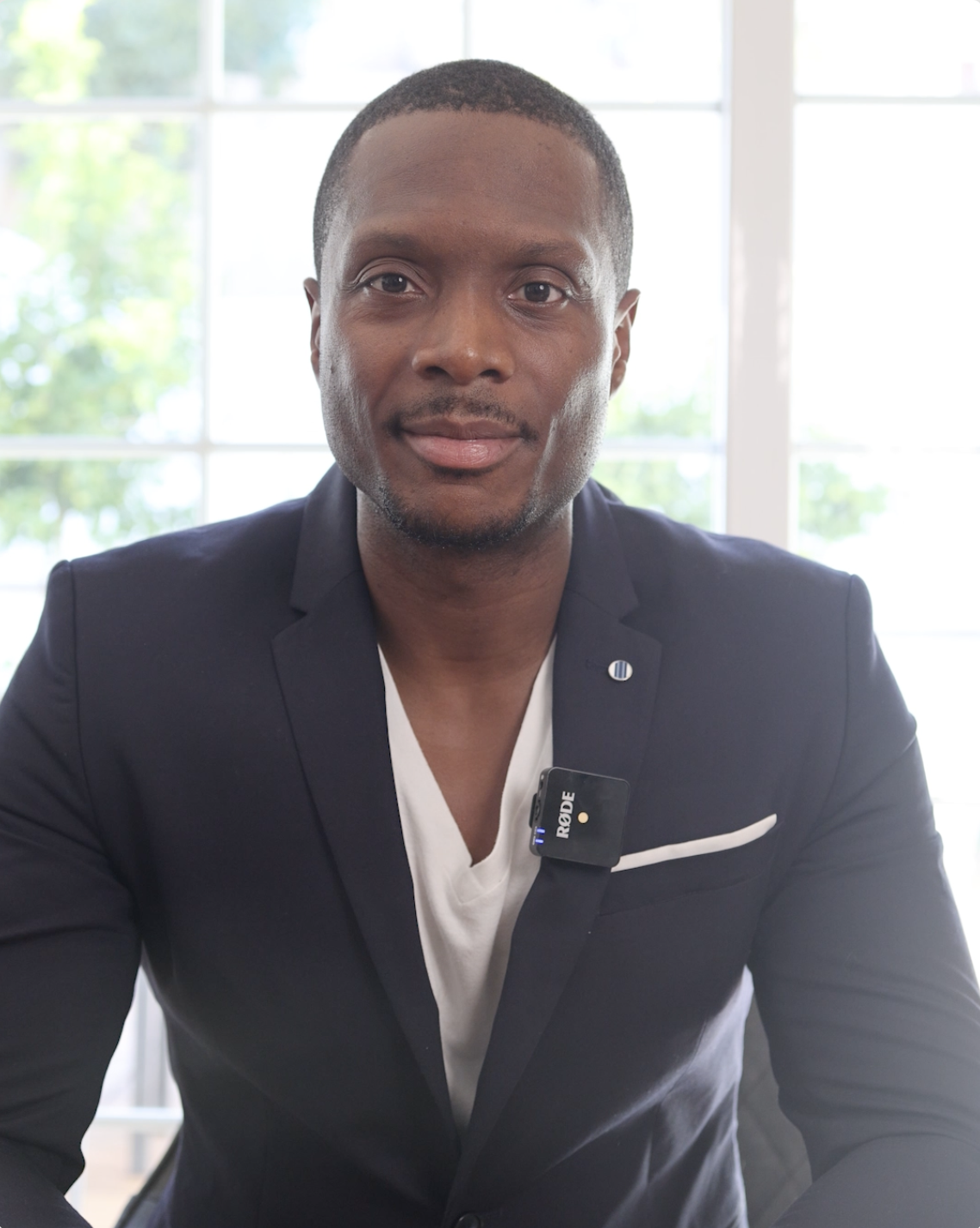
Yannick Kpodar

15+ years as VP and CMO helping B2B SaaS companies move from one market to two, from growth story to operating story, from Series B to Series C. Helped teams raise $396M, reach unicorn status, and build the operating systems that hold up under real board and investor pressure. Founder of Full Stack CEO.

I've been on both sides of these decisions — as a GTM and marketing operator who had to build the international expansion playbook from scratch, and as a GP at Aventra Capital evaluating whether a Series B company's story is built on real operating data or on momentum that's about to stall. I know what Series C investors actually look at. And I know exactly where Series B founders are making expensive assumptions they haven't tested. I lead every cohort session, run every hot seat, and own the sprint arc from Week 1 to Demo Day.

GP @ Aventra Capital
ex-LinkedIn · PayFit · Amenitiz
15+ years B2B SaaS
image of people working in an office setting (for an ai saas company)
THE OPERATOR BENCH

Specialists in the room when it matters most.

$2.2B+ raised collectively. 23+ exits. 12 unicorns built or scaled. 4 IPOs. 25+ operators showing up every week. These aren't people who once built a company and now talk about it. They're in the room because early-stage founders ask the questions that actually matter — and they have the receipts to answer them.

[headshot] image of customer
Indy Sen
GTM
PRODUCT MARKETING
ex-Google, Salesforce, Canva, MuleSoft · 3 IPOs

Indy has defined categories at companies that became the default name in their space — Salesforce's partner ecosystem, Box's developer platform, MuleSoft's API economy, Google Workspace's enterprise GTM at $2B run rate, and Canva's Apps Marketplace at 7x growth. He knows what category ownership actually looks like as a living operating system, not a positioning slide.

He comes into the Series B room specifically to help founders build the messaging architecture — market definition, competitive moat narrative, and partner/ecosystem story — that the whole leadership team can run, not just marketing.

📍Location: San Francisco, CA
[headshot] image of customer (for a university)
David Ehrlich
CEO OPERATIONS
CAPITAL
ex-CEO Aktana (12 years), McKinsey, Stanford

David grew Aktana to a category leader serving 7 of the top 10 global pharma companies — across 50 countries, 400+ people, 200% CAGR over five years. He didn't just build a successful SaaS company; he built the defining one in his space.

He's been in the board meeting where "are you winning the category?" is the question and the answer isn't clean yet. He comes into the Series B track to help founders build the category narrative from the ground up — what market you define, what competitors you make irrelevant, and what story holds up when a Series C investor runs real diligence.

📍Location: Berkeley, CA
[headshot]
Denis Descause
AI
GTM
M&A
Founder & GTM · ex-SAP, BCG · €200M SaaS revenue

At SAP, Denis shaped the M&A roadmap behind SuccessFactors, Ariba, and BusinessObjects — which means he's evaluated what category ownership looks like from inside one of the most acquisitive enterprise companies in history. He then went and built Flashbrand himself, taking it to millions of users including LVMH and a strategic acquisition.

At Series B, his lens is the acquirer's view: what does your competitive moat look like to a strategic buyer or late-stage investor, and what's missing from your story that they'll find before you have the chance to frame it yourself?

📍Location: New York, NY
[headshot] image of customer (for a home inspector)
Alon Maltzov
product
ai
2x Founder · 1 exit · $15M→$25M ARR

Alon scaled the Teikametrics platform from $15M to $25M ARR while cutting churn 55% in 18 months — operating in a highly competitive AdTech market where category position was determined by retention and NRR, not just new logo velocity.

At Series B, NRR by segment is the metric that tells a Series C investor whether you own your category or just rent it. Alon helps founders diagnose the NRR story by cohort, by segment, and by market — and build the lever plan that makes expansion revenue compound before the Series C data room gets opened.

📍Location: San Francisco, CA
[headshot] image of customer for an insurance agency & company
Sachin Shah
PRODUCT
AI
TECH
ex-Bain (NPSx), Accenture · Fractional CTO

Sachin has delivered ISO certification across four products in 12 months, built engineering teams across multiple geographies, and architected AI/ML platforms for enterprise deployment at scale. He's also been the technical operator under Bain-level board scrutiny — where every architecture decision gets evaluated against commercial outcomes.

At Series B, he helps founders assess whether the technical foundation behind the category claim can actually support international expansion without rebuilding — and where the engineering org needs to evolve before market two exposes the gaps.

📍Location: London, UK
[headshot] image of customer (for a dental office)
Betty Mok
GTM
Marketing
SVP Marketing · Consensus ·  
ex-LinkedIn, Pendo, Intuit, AmEx

Betty ran LinkedIn Talent Solutions' demand gen at $100M+ in annual new bookings and managed all of Pendo's growth marketing globally. She's built the demand infrastructure for companies operating at the scale Series B founders are trying to reach.

At Series B, her focus is category demand: you're no longer just generating leads for your product — you're building awareness for a category you're trying to own. She helps founders design the demand and content architecture that makes you the reference point in your space, not just another vendor in the consideration set.

📍Location: San Francisco, CA
[headshot] image of customer (for a gym)
Vivek Bedi
PRODUCT
AI
aCQUISITIONS
ex-Goldman Sachs, Northwestern Mutual · $2B+ acquisitions

Vivek has been directly involved in $2B+ in acquisitions — at Goldman Sachs leading technology due diligence, and as CPO at companies that were acquired for hundreds of millions.

He knows exactly what a sophisticated buyer or late-stage investor looks at when they assess whether a Series B company owns its category or just has good metrics. At Series B, his focus is product moat: is your AI and product differentiation genuinely defensible, or is it a six-month lead that a well-funded competitor erases while you're building the Series C narrative?

📍Location: New York, NY
[headshot] image of customer (for a fine dining restaurant)
Todd Etchieson
PRODUCT
AI
Fractional CPO · Apex Solutions
ex-Conversica, New Relic, Nike, Nortel

Todd took New Relic Insights to $100M ARR and through IPO — the product became the foundation of the entire New Relic platform. He's built product organizations that became category-defining layers, not just features.

At Series B, the product org question becomes strategic: is your roadmap hardening the category you're claiming, or fragmenting it? He helps founders design the product operating system that aligns R&D output directly to the category narrative — so every launch reinforces the position instead of confusing it.

📍Location: Portland, OR

Note: Each cohort also has one exited founder as anchor mentor for the full 12 weeks — someone who's been through the Series B-to-$100M ARR moment, and comes back every week because they know how fast things shift when the machine starts to work.
WHY THEY'RE HERE

Not advisors who lend their name.

They show up in the sessions, review your work, and give feedback they'd stand behind in any board room.

[background image] image of a busy hospital corridor

“I've worked with companied from 98,000 employees and $30B in revenue to 5 employees and $1M in revenue. I've acquired and been acquired. I've been through an IPO and also through a meltdown. I've seen a lot and I'm here to help CEOs make better decision from day one.”

Todd Etchieson
Fractional Chief Product Officer, Apex Solutions
[background image] image of collaborative workspace (for a blockchain and cryptocurrency)

“I've been a CEO and I know it's a pretty lonely job. There's a million things to navigate. I've sat on many boards and my objective is to be a truth teller to CEOs. To provide them with insights to course correct and make the best decisions for the best path forward.”

Juan Carlos Soto
Board Chairman, Advisor, former CEO, Venture Partner, Fractional CxO
image of content management strategy session

“I've done pretty much all of the roles inside in software service company from strategy to pre-sales, sales support, consulting, HR, and CEO. I have a 360 view of a company today across several industries. My objective is to help founders go from origins to Series B.”

Denis Descause
C-Level Executive & AI Entrepreneur | 0 to $200M+ Revenue Growth
image of expert panel discussing blockchain

“I've led product and digital at 4 different hypergrowth stages. Smallest scaled it from $5M to $25M. Largest from $250M to $340M. All four led to an acquisition. This next chapter in my life is about value creation, mentoring, advising. I sit on six board and I'm here to help.”

Vivek Bedi
Head of AI & Product Innovation @ Litera
WHY THIS WORKS

Four things that don't exist anywhere else.

The Lab works because of how it's structured — not just what it covers. At Series B, the gap between knowing which metrics are drifting and actually having a plan to move them is where most control narratives collapse. The Lab closes that gap by running parallel tracks from Week 1 — diagnosis, GTM map, pricing audit, ownership, and board narrative all running simultaneously, the way a Series B company with a real Series C timeline has to operate.

HOW WE WORK

1 — Hot seats, not lectures

Every session has a short framing from Yannick — 15 minutes. The rest is hot seats. You present your sprint output — your actual cohort data, your actual market scoring, your actual pricing analysis — and the room gives direct feedback. Not encouragement. Not questions. Feedback on what the data actually says and what decision it implies.

image of a community center project
WHO'S IN THE ROOM

2 — Operators, not instructors

The people giving feedback in the Lab aren't advisors with a framework. They're operators who've built Cohort Performance Dashboards at Series B companies, scored and tested international markets before hiring anyone, run pricing projects on live products with live customers, and built retention engines while managing an active expansion. They give you the feedback they'd give a founder they were backing.

[team]
YOUR COHORT

3 — A cohort that compounds

8–12 founders at your exact stage, working on the same five problems at the same moment. By Week 3, they know your market scoring assumptions. By Week 7, they're pressure-testing your Tier 1 launch thresholds. By Week 11, they're asking why your conversion rate from the Paris test is lower than the London test and what you're going to do about it. That's the room.

image of finance data analysis
BETWEEN SESSIONS

4 — CEO Operating Room

Every Lab participant has continuous access to the CEO Operating Room — the always-on community where you can get a fast read on a board question, unblock a metrics decision, or stay in motion between weekly sprints. The control work doesn't pause because it's Thursday.

[team]

How FSC is different

1v1 comparisons vs accelerators, online courses, going at it alone, or waiting for traction before getting started.

WEEK 12

You present the machine.
Not the plan.

Every Series B Lab ends with Demo Day. Not a ceremony. A forcing function — and a real investor stress test on a real operating system.

image of a marketing strategy meeting
WHAT YOU PRESENT

Not a pitch deck. A live operating system with 12 weeks of real data behind it.

Your Cohort Performance Dashboard — ARR growth, CAC payback, NRR, and churn by segment, tracked across 12 weeks of active intervention. Your Market Scoring Scorecard with the ad test results that validated your market two decision. Your Pricing Architecture with real conversion data from packaging experiments. Your Retention Playbook with churn and expansion metrics showing early movement. Your International Launch Plan — Tier 1/2/3 structure, competitive map, hire sequencing — ready to execute the week after Demo Day. Series C investors in the room don't hear a growth story. They see a machine.

[background image] image of futuristic technology (for a data analytics and business intelligence)
WHO ATTENDS

Your cohort, your mentors, and stage-matched investors who ask real questions.

Your cohort and the full mentor team. Plus external guests selected for stage relevance: Series C VCs, growth-stage operators, and strategic buyers — there to give real feedback on your operating metrics, your market selection decision, your pricing logic, and your international expansion plan. Expect hard questions on your CAC payback by market, your NRR trajectory by cohort, and why you chose market two over the alternatives. These aren't polite. That's the point.

image of meeting with financial advisors [scene 1]
WHAT IT ISN'T

Not a competition. Not a showcase.

Demo Day at the Series B Lab has no ranking, no prize, no winner. It's the final sprint — the forcing function that makes sure every output is live, every decision is made, and every number in your Series C story is real. The relationships that come from it are earned. The feedback is the last session.

THE FSC SEries B SEAL

Built the OS for scale.

Founders who complete all 12 sprints, present at Demo Day, and deliver their final outputs earn the FSC Series B Seal — the Full Stack CEO credential for Series B-stage operating system work.

GP @ Aventra Capital
ex-LinkedIn · PayFit · Amenitiz
15+ years B2B SaaS
image of people working in an office setting (for an ai saas company)
image of game development process (for a mobile gaming) - collaborative team meeting
WHAT IT SIGNALS

Evidence of a working system, not attendance.

You didn't watch a course on growth strategy. You spent 12 weeks building a live Cohort Performance Dashboard on your real ARR and NRR data, running AI-assisted market research and paid ad tests to validate your international expansion decision, designing and testing pricing experiments, instrumenting your full RevOps stack with AI tools, and delivering everything under real investor pressure at Demo Day — with operators reviewing every output and a cohort holding you accountable every week. The Seal is evidence of that work.

[interface] image of customizable settings dashboard (for a ai fintech company)
HOW TO USE IT

Put it where investors can see it.

Add it to your LinkedIn profile under Certifications. Reference it in Series C conversations as evidence of rigorous operating system work — not just ARR momentum. It signals to FSC-network investors that you built the machine, not just the story.

[background image] image of a desk with tech gadgets (for a ai developer tools)
REQUIREMENTS

You have to earn it.

— Attended 8 of 12 cohort sessions
— Submitted and presented sprint outputs for Weeks 1, 3, 5, 7, and 10
— Presented at Demo Day
— Delivered the final Cohort Performance Dashboard and International Launch Plan

"This is not a certificate for showing up. It's a credential for building the operating system — with the data to prove it."

THE STAGE LABS · PRICING

One fixed fee.
No equity. No strings.

All Lab pricing is per startup. Co-founders are both welcome in sessions.

Each sprint includes:

  • 12-week live sprint with a clear start date, end date, and stage-specific outcomes

  • Weekly cohort sessions where you build your scoreboard, GTM plan, and experiments in real time

  • Direct feedback from exited founders, operators, and VCs on your metrics, decks, and GTM decisions

  • Structured sprint templates so you know exactly what to produce each week between sessions

  • Access to the CEO Operating Room throughout the Lab (and discounted after)

  • Demo Day with invited investors and operators in the room + FSC Lab Seal upon completion

Note: Applications are reviewed within 48 hours. We only accept founders we believe we can genuinely help. If it's not the right fit or the right timing, we'll tell you — and point you somewhere better if we can.

CEO OPERATING ROOM

NOT READY TO APPLY YET?

Start in the CEO Operating Room first. The always-on base for seed founders — weekly sessions, operator AMAs, GTM templates, and peers at your stage. $49/month. No application.

image of consulting setup
YOUR BASE · ALWAYS ON

The CEO
Operating Room

For B2B SaaS and AI founders at any stage who want the room, the operators, and the weekly sessions — without a sprint commitment.

$49 / month
or $470 / year (2 months free)

What's included:

- Weekly live sessions at your stage — Pre-Seed, Seed, or Series A

- Private Slack — real peers, no pitch culture, no noise

- Operator AMAs every week — exited founders, active VCs, senior operators

- Full template library — GTM playbooks, scorecards, pitch frameworks, dashboards

- Every session archived and searchable

- Access to all FSC free weekly events

Frequently asked questions

Answers to the real questions.

If something isn't covered here, start in the CEO Operating Room — the room will answer it faster than any FAQ.

READY TO BECOME A CATEGORY LEADER?

$10M ARR proves you can sell.
$50M ARR proves you can scale.

Every week, Series B founders are in this room — pulling apart their real Cohort Performance data, making their international expansion decisions with evidence not instinct, building pricing architectures that hold across markets, and instrumenting RevOps stacks that compound without them in every decision. The only difference between them and you is that they showed up.

CEO Operating Room: The always-on base for Series A founders. Weekly sessions, operator AMAs, templates, and peers at your stage. $49/month. No application. Cancel anytime.

image of an industry conference (for an ai marketing tech company)